June 27, 2026
Retaining walls are an essential landscaping feature that combines functionality with visual appeal. Whether you’re managing a sloped property, preventing soil erosion, or enhancing your outdoor living space, retaining walls provide a practical and long-lasting solution. Designed to hold back soil and create level surfaces, these structures improve both the safety and appearance of residential and commercial landscapes.
In this guide, we’ll explore the different types of retaining walls, their benefits, the installation process, and essential maintenance tips.
What Are Retaining Walls?
Retaining walls are engineered structures built to support soil at different elevations. They help stabilize sloped terrain, prevent erosion, improve drainage, and create usable outdoor areas. Beyond their structural purpose, retaining walls can also enhance the overall design of gardens, patios, driveways, and landscaped yards.
Types of Retaining Walls
Choosing the right retaining wall depends on your property’s terrain, design preferences, and budget. Some of the most popular options include:
Concrete Retaining Walls
Concrete walls are known for their strength, durability, and modern appearance. They are ideal for supporting heavy loads and require minimal maintenance.
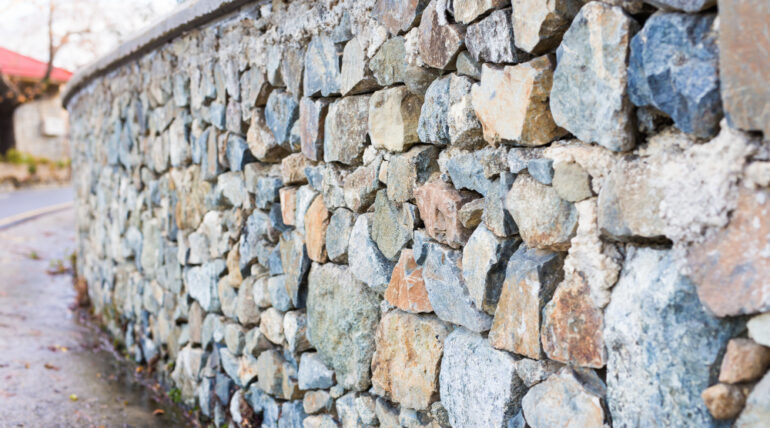
Natural Stone Retaining Walls
Natural stone walls provide a timeless, elegant look while blending seamlessly into outdoor landscapes. They are durable and perfect for decorative garden projects.
Timber Retaining Walls
Timber retaining walls are a cost-effective option for residential properties. They offer a natural aesthetic but require regular maintenance to protect against moisture and decay.
Brick and Block Retaining Walls
Concrete blocks and bricks provide excellent structural stability and come in a variety of styles, colours, and finishes to complement different landscape designs.
Benefits of Retaining Walls
Installing retaining walls offers numerous practical and aesthetic advantages.
Prevent Soil Erosion
One of the primary functions of retaining walls is to prevent soil from washing away during heavy rainfall. They help stabilize slopes and protect surrounding landscapes.
Improve Drainage
Professionally installed retaining walls incorporate drainage systems that redirect excess water away from your property, reducing the risk of flooding and structural damage.
Increase Usable Space
Retaining walls create flat, functional areas on sloped land, making room for gardens, patios, seating areas, lawns, or outdoor entertainment spaces.
Enhance Property Value
Well-designed retaining walls improve curb appeal and add value to your property by creating an attractive, organized landscape.
Boost Landscape Design
Available in various materials and styles, retaining walls can complement modern, traditional, or natural outdoor designs while adding texture and visual interest.
The Retaining Wall Installation Process
A successful retaining wall begins with proper planning and professional installation. The typical process includes:
- Site assessment and soil evaluation
- Designing the wall based on height, load, and drainage requirements
- Excavation and preparation of a stable foundation
- Installation of drainage systems
- Construction using the selected materials
- Backfilling and compacting the soil
- Final inspection and landscaping around the wall
Proper engineering and drainage are essential for ensuring the wall remains safe and durable for many years.
Maintenance Tips for Retaining Walls
Although retaining walls are built to last, regular maintenance helps extend their lifespan.
- Inspect walls periodically for cracks or movement.
- Keep drainage outlets free of debris.
- Remove weeds and invasive roots growing near the wall.
- Clean surfaces to prevent staining and moss buildup.
- Repair minor damage before it develops into larger structural issues.
Routine inspections can prevent costly repairs and maintain the wall’s appearance.
Why Choose Professional Installation?
While small retaining walls may seem like a DIY project, larger or load-bearing walls require professional expertise. Experienced landscapers understand local soil conditions, drainage requirements, and construction standards, ensuring the wall is both safe and visually appealing.
Professional installation also reduces the risk of structural failure, improper drainage, and costly future repairs.
Conclusion
Retaining walls are a smart investment for homeowners looking to improve landscape stability, functionality, and visual appeal. From preventing soil erosion and enhancing drainage to creating beautiful outdoor spaces, they offer long-term benefits that increase both property value and usability.
Whether you prefer concrete, natural stone, timber, or brick, choosing quality materials and professional installation will ensure your retaining wall remains strong, attractive, and durable for years to come.