October 10, 2026
Retaining walls play an important role in creating stable, functional and visually appealing outdoor spaces. Whether you have a sloping garden, uneven ground or a landscape that needs better soil support, a professionally planned retaining wall can help transform your property. Retaining walls installation provides an effective solution for managing changes in ground levels, reducing soil erosion and creating more usable outdoor areas.
By combining structural strength with attractive design, retaining walls can improve the functionality and appearance of residential and commercial landscapes. Understanding their benefits, materials and installation requirements can help you make informed decisions for your next landscaping project.
What Is Retaining Walls Installation?
Retaining walls installation involves constructing a wall designed to hold back soil and manage differences in ground elevation. These structures are commonly used on sloping properties, garden terraces, driveways and outdoor areas where soil movement may affect the landscape.
Unlike ordinary garden walls, retaining walls must withstand the pressure exerted by the soil behind them. Their design needs to consider factors such as ground conditions, wall height, water drainage and the surrounding landscape.
Professional planning helps ensure that the wall is suitable for the site and provides reliable support over time.
Key Benefits of Retaining Walls Installation
1. Improve Ground Stability
Uneven and sloping land can present challenges when designing a functional outdoor space. Retaining walls help support soil at different elevations, creating a more organised and stable landscape.
A properly designed wall can reduce the risk of soil movement and help protect nearby garden areas, pathways and other landscape features. The appropriate wall design depends on soil conditions, slope characteristics and the loads acting on the structure.
2. Manage Water Drainage
Water accumulation behind a retaining wall can increase pressure and contribute to structural damage. Effective drainage is therefore an essential part of a successful installation.
Depending on the site, drainage solutions may include drainage aggregate, perforated pipes, suitable backfill and properly designed water outlets. These features help direct excess water away from the retained soil and reduce the risk of water pressure building up behind the wall.
Good drainage planning also helps protect surrounding garden beds and outdoor surfaces from water-related problems.
3. Reduce Soil Erosion
Heavy rainfall and surface runoff can gradually wash soil away, particularly on exposed slopes. Retaining walls help hold soil in place and create defined levels that can make landscaping easier to manage.
When combined with suitable drainage, ground preparation and planting, retaining walls can contribute to better erosion control. This is particularly useful for properties where uneven terrain makes maintaining gardens and lawn areas difficult.
4. Create More Usable Outdoor Space
Sloping gardens can limit opportunities for outdoor activities, planting and entertaining. Retaining walls can divide an uneven landscape into terraces or flatter sections, making better use of the available area.
These spaces may accommodate lawns, garden beds, seating areas, pathways or decorative landscaping features. Careful design allows the wall to complement the property’s layout while improving the practical use of the garden.
5. Enhance Landscape Appearance
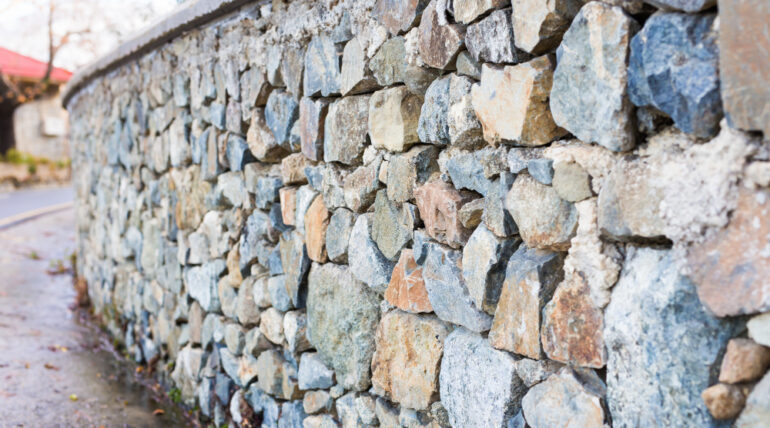
Retaining walls can serve as attractive design features rather than purely functional structures. Materials such as concrete blocks, natural stone and timber can create different finishes to suit various landscape styles.
The right choice depends on the desired appearance, site conditions, maintenance requirements and structural needs. Coordinating the wall with garden plants, paving and other outdoor elements helps create a cohesive landscape design.
Choosing the Right Retaining Wall Materials
Selecting suitable materials is essential for achieving the desired combination of durability, appearance and functionality.
- Concrete blocks: A versatile option for many residential and commercial landscaping projects.
- Natural stone: Offers a distinctive, natural appearance that complements garden environments.
- Timber: Can provide a warm, traditional look for suitable applications, subject to durability and structural requirements.
- Reinforced concrete: May be appropriate for projects requiring additional structural capacity, depending on the design.
A professional assessment can help determine which material best suits your property, budget and landscape requirements.
Why Professional Installation Matters
Successful retaining walls installation requires more than assembling materials. Proper site preparation, foundation design, soil assessment, drainage planning and construction techniques all influence the finished structure’s performance.
Poorly designed retaining walls may experience movement, cracking, drainage problems or failure. Wall height, nearby buildings, boundary conditions and soil characteristics should be considered before construction begins. Depending on the project and local regulations, engineering advice, permits or other approvals may also be necessary.
Working with experienced landscaping professionals helps ensure the project is planned around the property’s specific needs.
Transform Your Outdoor Space with Retaining Walls
Retaining walls offer a practical way to improve ground stability, manage drainage, reduce soil erosion and create more functional outdoor environments. With suitable materials and careful planning, they can also add structure and visual appeal to your landscape.
MG Landscaping can help you explore retaining wall solutions that complement your outdoor space and suit your landscaping goals. Consider your property’s slope, drainage requirements and intended use before choosing a design.
Investing in a well-planned retaining wall can help create a more organised, attractive and functional landscape for years to come.